
"Argentine coffee"
50 article(s) found

Argentine Coffee History and Cultural Legend
Buenos Aires, the capital of Argentina, is said to be a city with more cafes than Paris.
Coffee in Argentine History and Culture
Buenos Aires, the capital of Argentina, is said to be a city with more cafes than Paris. There are currently 3250 cafes in Buenos Aires, which means there is one coffee shop for every 1000 people in the city. Argentine media wrote that the cafe is the load of daily life and historical heritage. It can not only be used to call friends and talk, but also can be used to be isolated from the group.

Classic Coffee Directory Argentine History and Cultural Legends
Buenos Aires, the capital of Argentina, is said to be a city with more cafes than Paris. Buenos Aires currently has 3250 cafés, which means there is one café for every 1000 people in the city. Argentine media wrote that coffee shops are a load of daily life and historical heritage. They can be used for people to call friends, talk loudly, or be used for isolation.

Argentine Historical and Cultural legends in the Classic Coffee list
Buenos Aires, the capital of Argentina, is said to be a city with more cafes than Paris. There are currently 3250 coffee shops in Buenos Aires, which means there is one coffee shop for every 1000 people in the city. Argentine media wrote that the coffee shop is the load of daily life and historical heritage. It can be used not only for people to call friends and talk, but also to be isolated from the group.

Argentine Historical and Cultural legends in the Classic Coffee list
Buenos Aires, the capital of Argentina, is said to be a city with more cafes than Paris. There are currently 3250 coffee shops in Buenos Aires, which means there is one coffee shop for every 1000 people in the city. Argentine media wrote that the coffee shop is the load of daily life and historical heritage. It can be used not only for people to call friends and talk, but also to be isolated from the group.
General knowledge of Fine Coffee Culture Argentine History and Cultural Legend
Buenos Aires, the capital of Argentina, is said to be a city with more cafes than Paris. There are currently 3250 coffee shops in Buenos Aires, which means there is one coffee shop for every 1000 people in the city. Argentine media wrote that the coffee shop is the load of daily life and historical heritage. It can be used not only for people to call friends and talk, but also to be isolated from the group.
Argentine History and Coffee Culture
Buenos Aires, the capital of Argentina, is said to be a city with more cafes than Paris. Buenos Aires currently has 3250 cafés, which means there is one café for every 1000 people in the city.
The fifth strategy of ordering coffee shops around the world in 2017
Argentine Buenos Aires coffee beans: Mate features: local coffee will add dried Mate leaves and spices, which gives Argentine coffee a richer taste. Argentine coffee brewing process is extremely fine: the water temperature must be between 70-85 ℃, neither too cold, nor too hot, so as not to lose the nutrition of coffee beans and bean leaves. Argentine coffee

How about the washed bourbon on the Argentine farm in El Salvador? the farmer Ale shares his planting ideas.
Country: El Salvador (Salvador) region: Ahuachapn: Ahuachapn Farm: Argentine Farm Farmer: Alejandro Martinez altitude: 1300 m Variety: bourbon processing method: washing farmer Ale moved to El Salvador from New York in 2008, until then he had been a city banker, and later he became involved in the coffee industry. In
Argentine Historical and Cultural legends in the Classic Coffee list of San Bernardo Cafe
Buenos Aires, the capital of Argentina, is said to be a city with more cafes than Paris. There are currently 3250 coffee shops in Buenos Aires, which means there is one coffee shop for every 1000 people in the city. Argentine media wrote that the coffee shop is the load of daily life and historical heritage. It can be used not only for people to call friends and talk, but also to be isolated from the group.
3D Printing Experimental Cafe: a Paradise for Argentine Technology enthusiasts
Buenos Aires (CNFIN.COM / XINHUA08.COM)-there is a special cafe in the Palermo district of Buenos Aires, Argentina, where people come not only for coffee, but also for a common hobby of 3D play.
The History of Argentina in the Classic Coffee list
Buenos Aires, the capital of Argentina, is said to be a city with more cafes than Paris. There are currently 3250 coffee shops in Buenos Aires, which means there is one coffee shop for every 1000 people in the city. Argentine media wrote that the coffee shop is the load of daily life and historical heritage. It can be used not only for people to call friends and talk, but also to be isolated from the group.
Buenos Aires in coffee
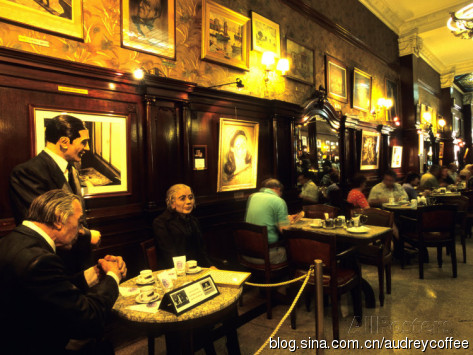
After living in Argentina for a long time, many people will inevitably become interested in cafes. When you get up in the morning, sit in an old coffee shop with mottled walls covered with old movie posters, order an Italian latte and turn over a few pages of newspapers, the day really begins. Buenos Aires, the romantic capital of South America. Like many European cities, there are large cafes here.
Coffee History and Culture: the connection between Coffee Literature and Art in Argentina
Buenos Aires, the capital of Argentina, is said to be a city with more cafes than Paris. There are currently 3250 coffee shops in Buenos Aires, which means there is one coffee shop for every 1000 people in the city. Argentine media wrote that the coffee shop is the load of daily life and historical heritage. It can be used not only for people to call friends and talk, but also to be isolated from the group.

Coffee and celebrities in Buenos Aires in coffee
After living in Argentina for a long time, many people will inevitably become interested in cafes. When you get up in the morning, sit in an old coffee shop with mottled walls covered with old movie posters, order an Italian latte and turn over a few pages of newspapers, the day really begins. Buenos Aires, the romantic capital of South America. Like many European cities, there are large cafes here.

Coffee grown in South America by "coffee drinkers" in Heilongjiang Province is sold back to Harbin to create Chinese coffee products.
It is reported that after the coffee grown in South America is sold back to Harbin, Heilongjiang coffee can be stored in the comprehensive bonded area. Russia, Japan, South Korea and other neighboring countries all have the tradition of drinking coffee, but they do not grow coffee. Harbin will carry out coffee export and re-export trade to these countries to promote the in-depth development of China's coffee industry.
Tortoni, the oldest coffee shop in Argentina
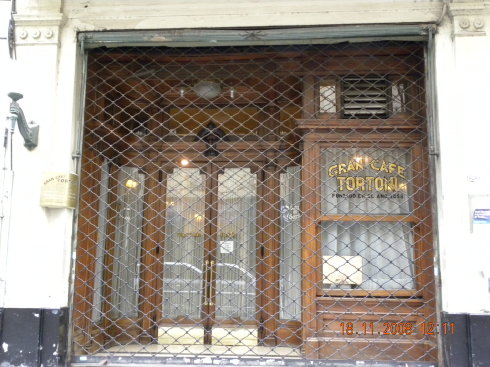
The door of Caf Tortoni, the oldest cafe in Buenos Aires, Argentina, is inscribed with the 1922 poem "singing about Love, Sunshine and Water" (Canto de Amor, de Luzy de Agua) by the 1940s Argentine poet Bardomero Fernand Smoreno (18861950). This one
A brief introduction to the Market Price of Indian Coffee Bean
In the 19th century, American anthropologist Morton and Argentine paleontologist Amegino put forward the idea that Indians originated in America. However, this theory is simply untenable, because until now, no ape-man fossils representing human evolution have been found in the American continent, and archaeological data have proved that there are only monkeys and no apes in America. So where did the Indians come from?

Indian Coffee Flavor description Grinding characteristics Brand taste Manor Fine Coffee introduction
In the 19th century, American anthropologist Morton and Argentine paleontologist Amegino put forward the idea that Indians originated in America. However, this theory is simply untenable, because until now, no ape-man fossils representing human evolution have been found in the American continent, and archaeological data have proved that there are only monkeys and no apes in America. So where did the Indians come from?